When Your Home Breathes — and What’s Growing Inside It
Mold isn’t just an eyesore — it’s a hidden health and structural threat. Learn how climate shifts and overlooked moisture make Massachusetts homes more vulnerable than ever.
Posted by
Carlos Moreno
Posted at
Healthcare Technology
Posted on
Aug 16, 2025
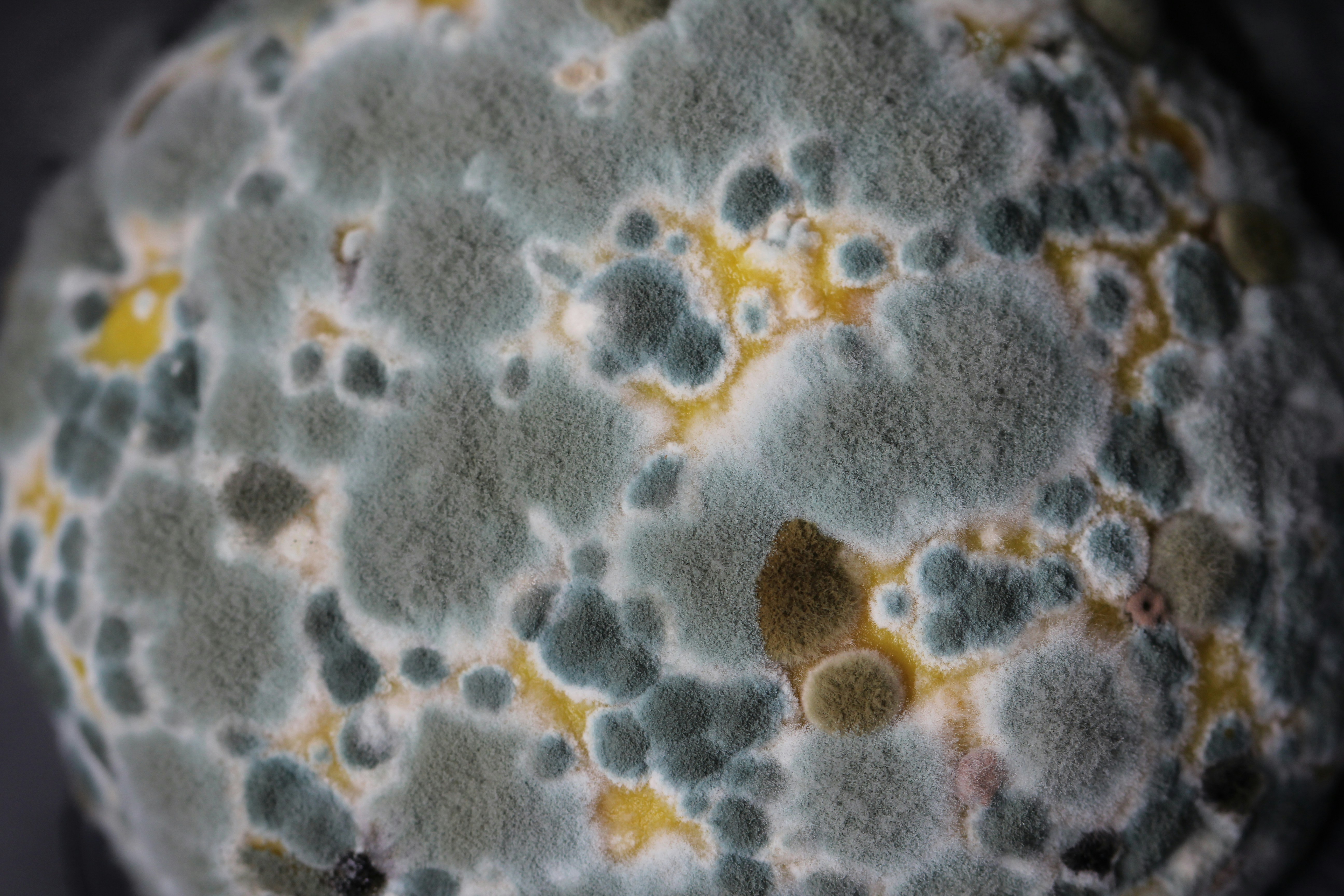
Most people think of mold as something that happens in old, damp basements. But the truth is, it’s becoming a growing threat across modern homes in Massachusetts — and climate change may be part of the reason.
According to the Massachusetts Department of Public Health, increased rainfall and humidity are creating the perfect conditions for mold to thrive inside walls, attics, and HVAC systems. When moisture lingers, spores spread — and what starts as a small patch can quietly turn into a serious health and structural issue.
A Hidden Indoor Invader
Researchers at Harvard T.H. Chan School of Public Health found that mold exposure indoors can trigger allergies, asthma, fatigue, and even cognitive issues. Children, seniors, and people with weakened immune systems are especially vulnerable. What’s more, a 2024 National Institutes of Health study revealed that over 40% of U.S. homes show signs of dampness or mold-related contamination, yet most homeowners aren’t aware until symptoms begin.
Mold isn’t just a matter of cleaning — it’s about prevention. A tiny roof leak, poor ventilation, or improperly installed insulation can all feed the problem from the inside out.
When Home Comfort Turns into Risk
Indoor air quality experts at Yale University describe mold as “a silent disruptor of home health.” It doesn’t make noise, it doesn’t smell at first, but over time it eats through drywall, wood, and carpet backing — weakening the structure and polluting the air your family breathes every day.
In Massachusetts, where older housing meets humid summers and longer rainy seasons, the risks are amplified. Mold contamination has been documented in up to one-third of inspected homes, often hidden behind freshly painted walls or new drywall.
What Homeowners Can Do
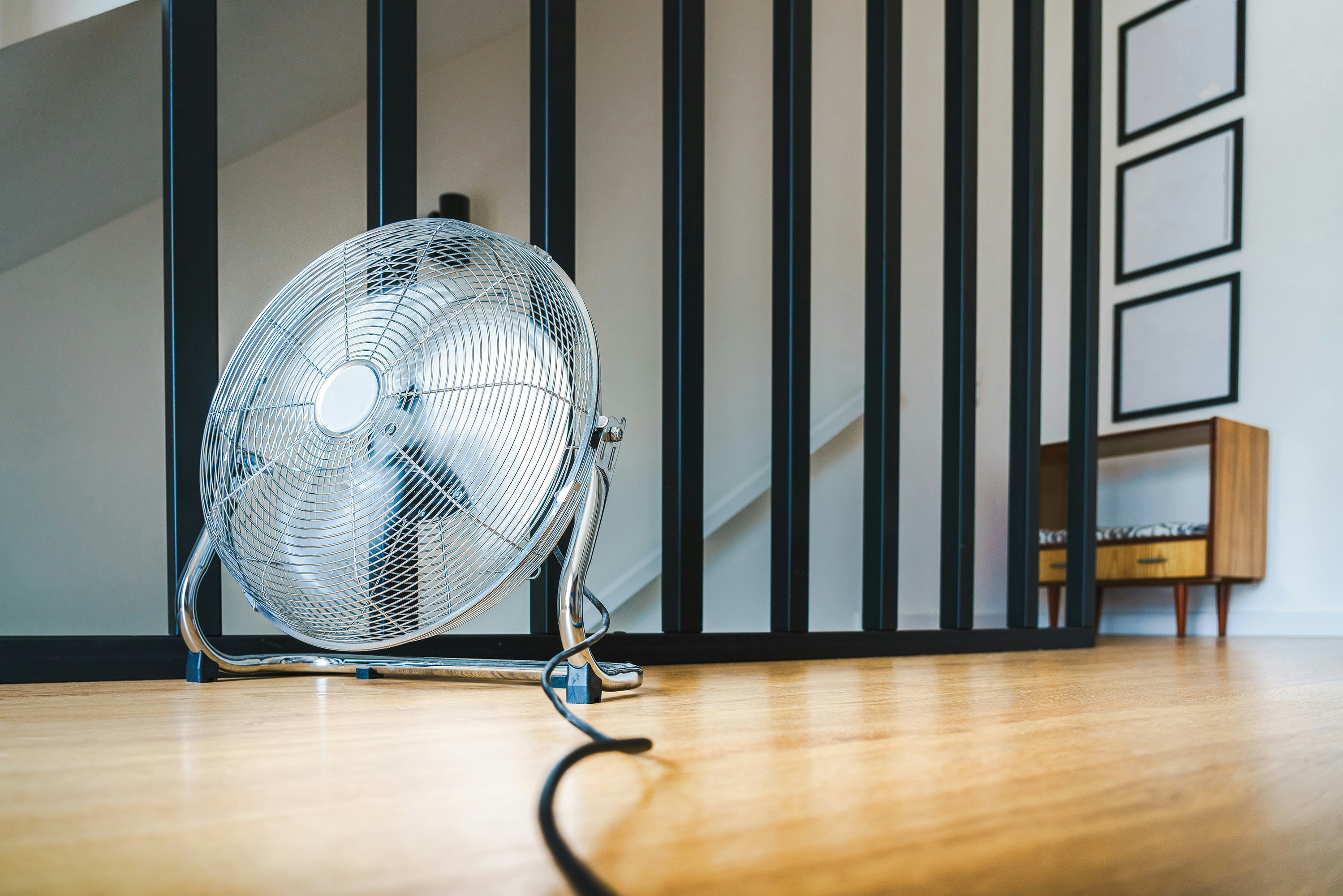
You don’t need to panic — you need awareness. Regular home inspections, moisture mapping, and professional indoor air testing can identify risks early. Simple changes like improving ventilation, sealing leaks, and maintaining HVAC systems can drastically reduce your chances of mold growth.
The Bottom Line
Mold doesn’t ask for permission to move in — it just needs the right environment. And once it does, it doesn’t just affect your home’s structure — it affects your health, comfort, and peace of mind.
Knowing where moisture hides is the first step toward keeping your home — and your family — safe.