Understanding Radon A Hidden Health Risk in Massachusetts Homes
Radon is the second leading cause of lung cancer in the U.S., causing over 21,000 deaths annually. Testing and mitigation in Massachusetts homes is essential for safety.
Posted by
Carlos Moreno
Posted at
Healthcare Technology
Posted on
Mar 11, 2025
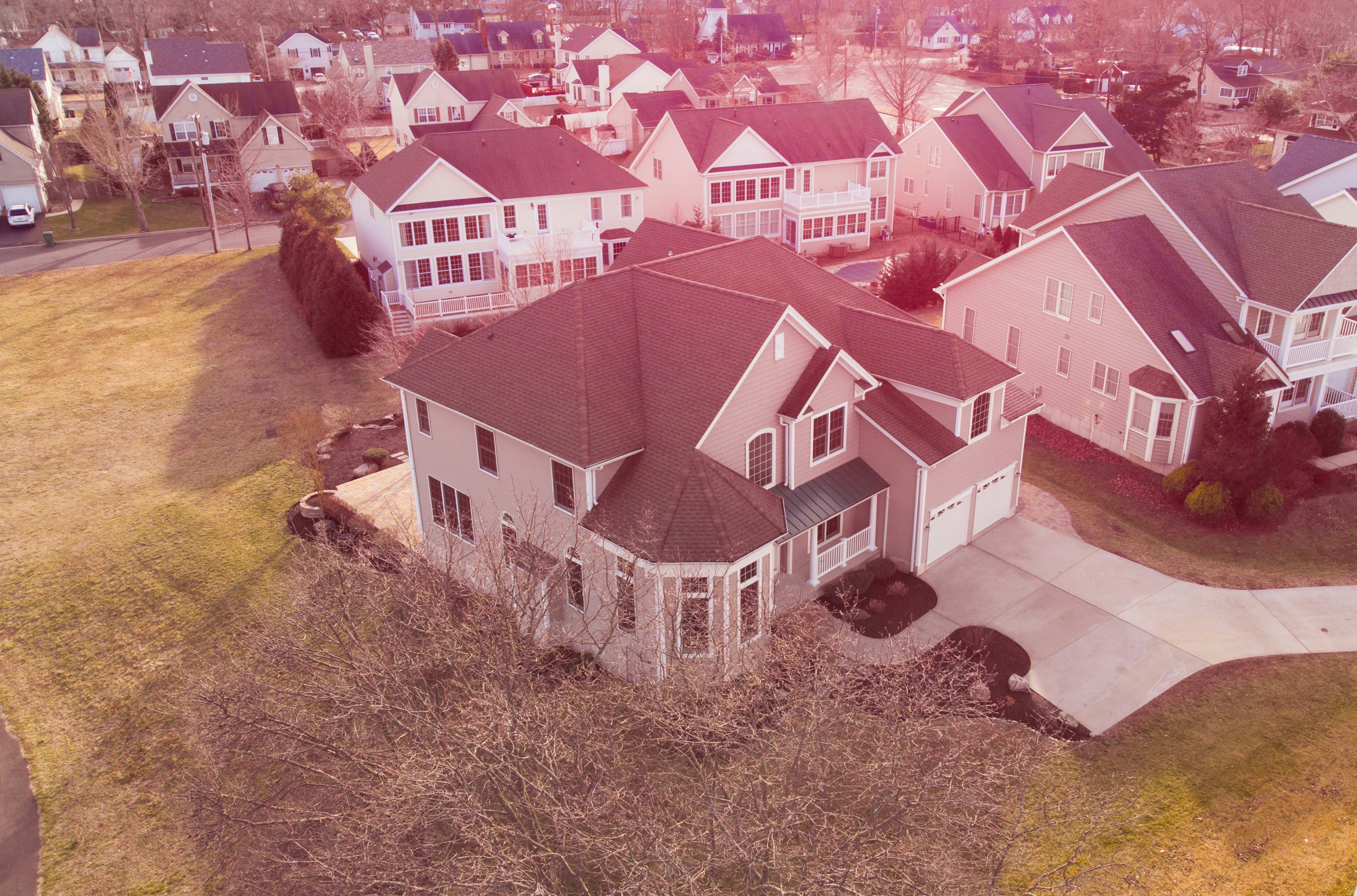
Radon is a naturally occurring radioactive gas that can accumulate in homes, posing serious health risks. It is the second leading cause of lung cancer in the United States, responsible for approximately 21,000 deaths annually (lung.org). Understanding radon, its risks, and the importance of testing is essential for every homeowner—especially in Massachusetts, where a significant number of homes have elevated radon levels.
Why Radon Is Dangerous
Radon forms from the natural decay of uranium, thorium, and radium in soil, rock, and groundwater. It is colorless, odorless, and tasteless, making detection impossible without proper testing.
Health Risks: Long-term exposure increases the risk of lung cancer, even among non-smokers. Smokers exposed to radon have 10 times higher risk than non-smokers at the same radon levels (cdc.gov).
National Impact: In 2023, there were an estimated 238,340 lung cancer diagnoses and 127,070 deaths in the U.S. Lung cancer accounts for about 25% of all cancer deaths (cdc.gov).
Leading Causes of Lung Cancer:
Cigarette smoking – 80–90% of deaths
Radon exposure – second leading cause
Secondhand smoke – increases risk in non-smokers
Radon in Massachusetts
Radon levels in Massachusetts are a serious concern:
22% of homes test above the EPA action level of 4 pCi/L (lung.org)
Estimated 650,000 homes exceed 4 pCi/L
High-risk homes: About 34,000 homes exceed 20 pCi/L (mass.gov)
Health Impact: Approximately 628 lung cancer cases annually in Massachusetts are linked to radon exposure (sosradon.org)
How to Protect Your Home
Testing is the only way to know your home’s radon levels. Mitigation is recommended if levels are at or above 4 pCi/L.
Effective strategies include:
Sub-slab depressurization: A pipe and fan system vents radon from beneath the home to the outside.
Sealing cracks and openings: Reduces radon entry points.
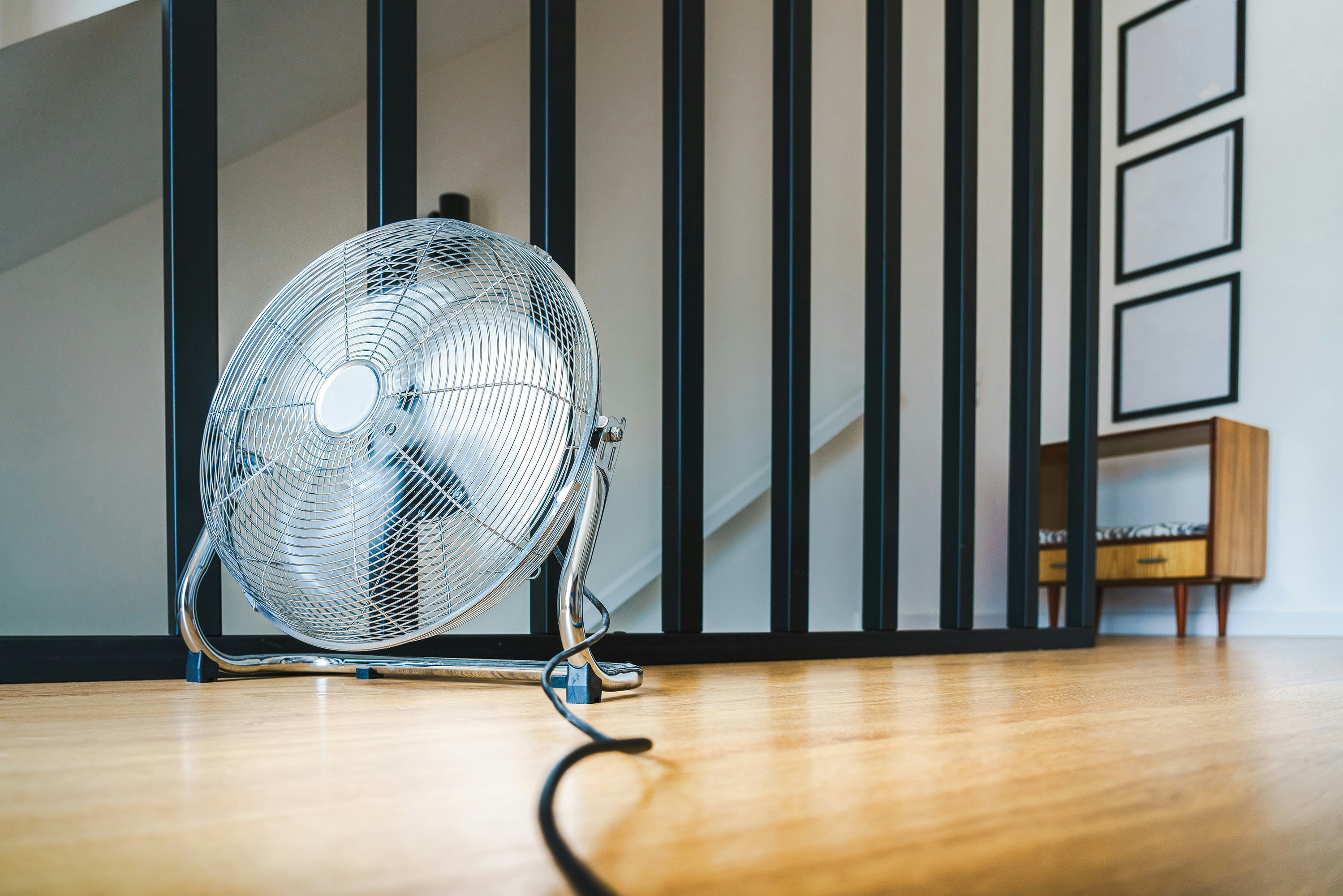
Improving ventilation: Increases airflow to lower indoor radon concentrations.
Conclusion
Radon is a serious but preventable health risk. With thousands of deaths attributed to radon each year, especially in Massachusetts, testing your home is essential. Implementing mitigation strategies ensures a safer living environment and peace of mind for you and your family.