
The Silent Threat in Your Home: Carbon Monoxide
Carbon monoxide is an invisible, odorless threat that exists in most homes. Studies from Johns Hopkins and the University of Utah show that most households have CO-producing appliances but lack proper detectors. Learn how to protect your family from this silent danger.
Posted by
Carlos Moreno
Posted at
Business Strategy
Posted on
Dec 18, 2024
The Silent Threat in Your Home: Carbon Monoxide
When it comes to home safety, many homeowners think about smoke alarms, fire extinguishers, and secure locks. But there’s a silent danger lurking in homes across the country—carbon monoxide (CO). Colorless, odorless, and invisible, this gas can quietly put your family’s health at risk.
Why Carbon Monoxide is Dangerous
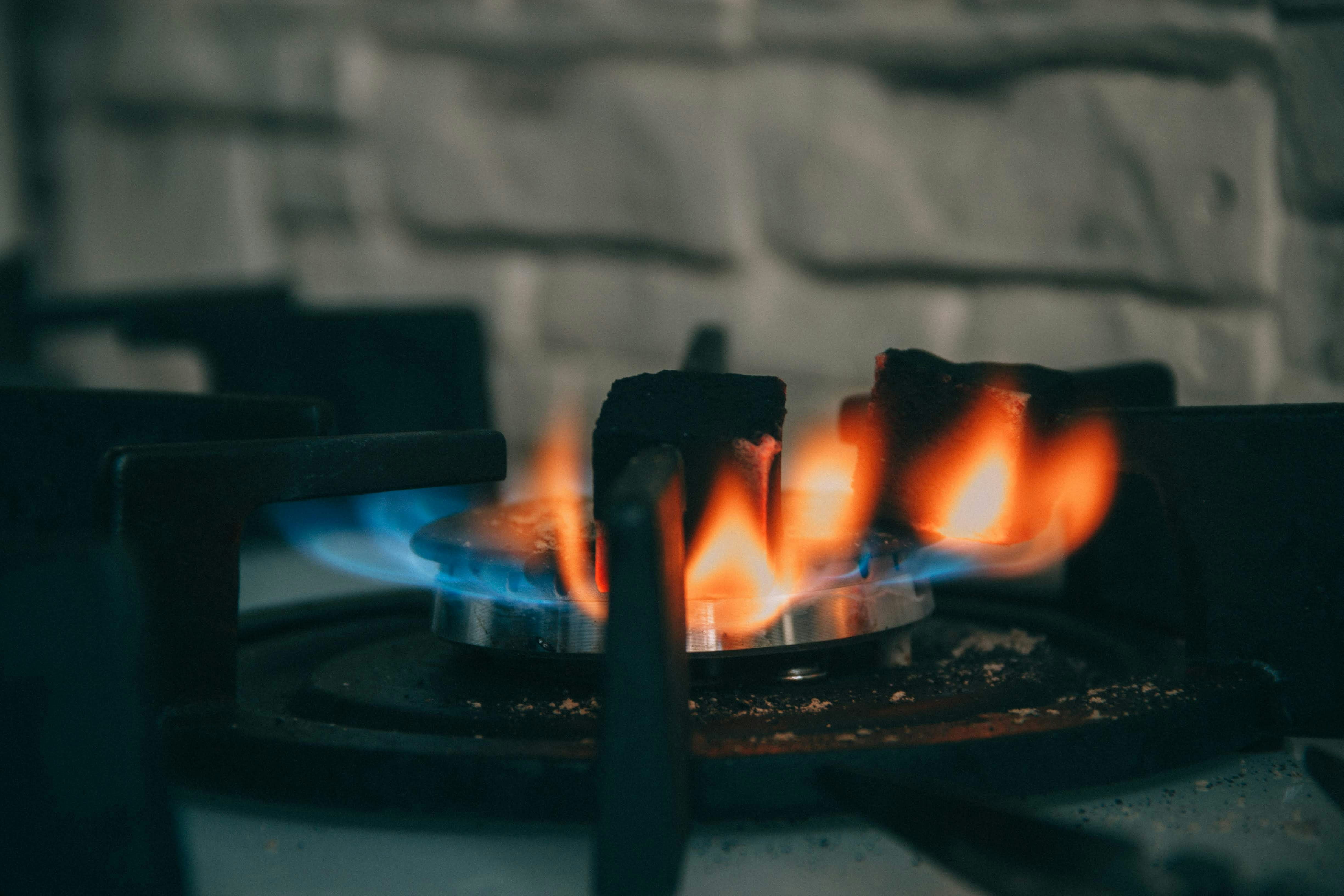
According to the U.S. Environmental Protection Agency (EPA), carbon monoxide is produced by the incomplete burning of fuels, such as gas stoves, furnaces, and water heaters. Exposure—even at low levels—can cause fatigue and chest pain, especially in people with heart conditions. Moderate exposure may lead to impaired vision, reduced brain function, dizziness, or nausea. In severe cases, CO can be fatal by preventing your blood from carrying oxygen effectively.
How Common is CO in Homes?
Research from Johns Hopkins University surveyed over 600 households and found that most homes contain CO-producing appliances: 86% had gas stoves, 82% had gas furnaces, and 79% had gas water heaters. Yet only 33% of homes had CO detectors, and fewer than a third were properly installed. This shows a large gap in awareness—and a potential danger for families who assume they’re safe.
Who is Most at Risk?
Some populations are more vulnerable. The University of Utah reports that seniors, children, pregnant women, and individuals with heart problems are at higher risk for severe CO exposure. Symptoms in these groups can progress quickly, making early detection crucial.
How to Protect Your Home and Family
Here’s how homeowners can take control and prevent CO poisoning:
Install CO detectors near all bedrooms and on every level of your home.
Maintain fuel-burning appliances regularly, ensuring proper ventilation and function.
Never use portable generators or grills indoors or in enclosed spaces.
Educate your family on the symptoms of CO poisoning and the importance of detectors.
Bottom Line: Carbon monoxide may be invisible, but the risk is real. Taking simple precautions like installing detectors and maintaining appliances can save lives—and provide peace of mind. Don’t wait until symptoms appear—protect your home before it’s too late.