How Climate Change Affects Home Safety and Health in Massachusetts
Climate change poses significant risks to homeowners in Massachusetts, including rising sea levels, extreme heat, and flooding. Implementing protective measures can safeguard your home and health against these evolving threats.
Posted by
Carlos Moreno
Posted at
Remote Work
Posted on
Sep 16, 2025
As climate change intensifies, Massachusetts homeowners face increasing risks to both property and well-being. From rising sea levels to extreme heatwaves, understanding these threats is crucial for safeguarding your home and health.
1. Rising Sea Levels and Coastal Flooding
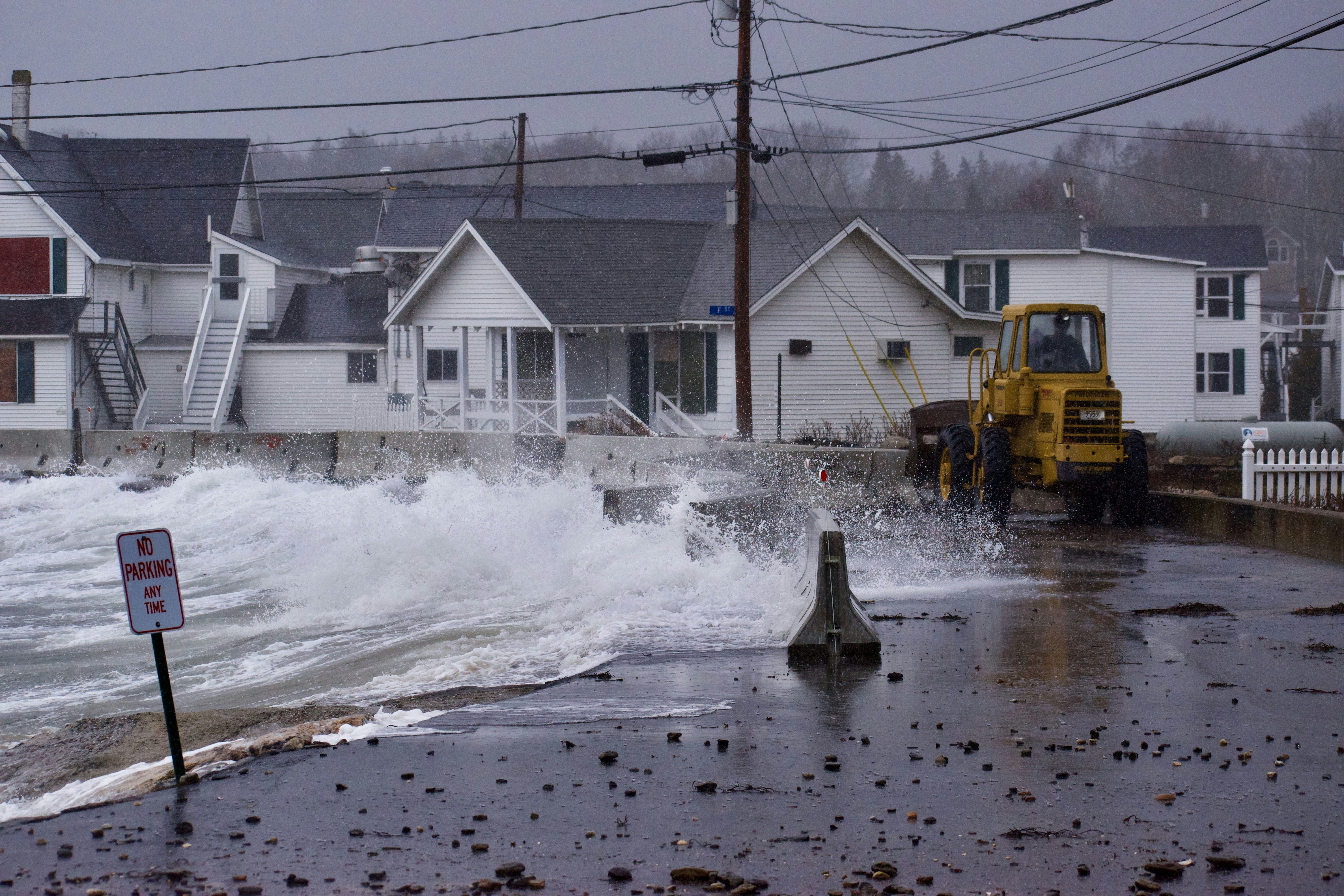
Massachusetts' coastal areas are particularly vulnerable to climate change. Rising sea levels and increased storm intensity lead to more frequent flooding events. For instance, over 1,500 affordable housing units in the state are at risk of flooding annually, a number projected to triple within 30 years if no protective measures are implemented. Climate Central
2. Extreme Heat and Indoor Air Quality
Climate change is causing more frequent and intense heatwaves in Massachusetts. These high temperatures can exacerbate poor indoor air quality, leading to respiratory issues and heat-related illnesses. Residents in underserved areas are particularly at risk due to limited access to cooling resources. resilient.mass.gov
3. Flooding and Water Pollution
Intense rainfall and flooding can overwhelm stormwater systems, leading to Combined Sewer Overflows (CSOs). These events discharge raw sewage into waterways, increasing exposure to harmful bacteria and pollutants. Such conditions can make water bodies unsafe for recreation for up to 48 hours after an overflow. Mystic River Watershed Association
4. Structural Damage and Property Loss
Severe weather events, including heavy rains and strong winds, can cause significant structural damage to homes. In areas like Cape Cod, some homes are at risk of collapsing due to coastal erosion, leading to potential property loss and environmental damage. AP News
Protective Measures for Homeowners
To mitigate these risks, homeowners can:
Elevate Structures: Raising homes above flood levels can prevent water damage.
Improve Insulation and Ventilation: Enhancing home insulation and ventilation can reduce heat retention and improve indoor air quality.
Install Flood Barriers: Using flood barriers can protect homes from rising water levels.
Maintain Stormwater Systems: Regular maintenance of gutters and drains can prevent water accumulation and reduce flooding risks.
Stay Informed: Sign up for local alerts and stay updated on weather forecasts to prepare for extreme events.